Fine hair has a reputation for behaving like it’s allergic to everything you ask it to do. It tangles easily, falls flat faster than you can blink, and somehow both loves and hates every product you try. In this guide, I’ll walk you through the mistakes that show up again and again—Die häufigsten Stylingfehler bei feinem Haar, if you’re counting the German phrase—and offer practical fixes that actually work in real life. Expect honest, experience-backed tips, not miracle cures sold on glossy photos.
My approach is practical, not preachy. I’ll share observations from a long career working with clients who bring everything from baby-fine strands to nearly nonexistent volume. You’ll see how small tweaks—like where you apply product or how you dry your hair—can make a big difference in how your hair looks and feels at the end of the day.
Why fine hair requires a different approach
Fine hair isn’t a single texture or style. Some people have several fine hair strands clustered together, giving an illusion of density, while others have truly delicate, fragile strands that break easily. The common thread is that weight is your enemy: even a little product or dampness can weigh the hair down and kill volume. To keep the life in your look, you need to think in terms of lift, lightness, and targeted care.
When I talk with clients, we often map out a simple rule: treat the scalp and roots with restraint, but invest in the ends where dryness and breakage are more visible. You’ll notice the shift when you start prioritizing a clean, buoyant base. If you want a hairstyle that reads as intentional rather than fragile, the plan has to start with fundamentals—cleansing, moisture balance, and learning how to use texture to your advantage.
Another key idea is consistency. Fine hair benefits from a straightforward routine that you can replicate every day. It’s more about repeatable steps than dramatic, one-off perfection. By building muscle memory for your styling process, you’ll avoid the impulse to overcorrect every time you style.
Washing and conditioning: common missteps
Overwashing and dryness
It’s surprising how many people wash fine hair every day and still feel dry or stringy by the afternoon. Water and shampoo strip away natural oils, and for fine hair, that oil layer can be essential for a little natural body. The fix isn’t to wash less at all costs, but to adjust routine: pick a gentle cleanser, and give yourself a couple of low-impact days between washes when feasible.
In practice, I’ve watched clients switch to a mild sulfate-free cleanser and notice less fizz, more lift, and greater manageability. A two- to three-day wash schedule is often enough to reset the scalp’s oil production without leaving ends parched. For those who must wash daily, a very dilute cleanser at the ends and a quick rinse can help preserve natural shine without sacrificing cleanliness.
Conditioner misplacement and product buildup
Conditioner is not a villain, but it’s easy to err: applying heavy formulas directly to the roots or using too much product at once can weigh fine hair down. The compromise is straightforward—keep conditioner to the mid-lengths and ends, and use a lighter formulation near the scalp. You want moisture, not a slick that clings to every strand.
A practical approach I recommend is to apply conditioner from the ears downward, then use your fingers to comb through with a light hand. If you notice product residue on the roots after rinsing, your rinse may be too short, or you’re using too heavy a formula for your texture. In that case, switch to a lighter conditioner or reduce the amount you’re applying.
One personal tip: consider a weekly clarifying wash to remove buildup from products or minerals in water. Fine hair shows buildup more quickly, and a clean slate can restore body and bounce. You’ll find that once you add a clarifying step, your styling products perform better with less effort.
Choosing products for thin strands
Moisturizing agents that work wonders for thicker hair often overwhelm fine hair. Heavier oils, butters, and waxy polymers can flatten the crown just when you’re aiming for lift. The goal is to use lightweight, targeted formulas that deposit moisture where it’s needed without creating drag on the crown.
Look for labels that emphasize lightness, such as “weightless,” “air-light,” or “for fine hair.” Ingredients to favor include glycerin in small amounts, propanediol for moisture without heaviness, and silicone variants that rinse cleanly. You’ll want to avoid heavy silicones and long-chain polymers that cling to strands and make them feel coated rather than airy.
Heat styling pitfalls
High heat and neglecting protection
Heat is a double-edged sword for fine hair. It can create the illusion of volume and polish, but it can also fry the cuticle and leave strands dull and brittle. The trick is to set your tools to kinder temperatures and to use a heat protectant every time. I’ve seen countless mornings saved by a simple shield spray that you actually rely on, not forget in a drawer.
My rule of thumb: start with a low to medium heat and build only when necessary. If you’re using a curling wand, a careful wrap technique and a quick release can yield defined waves without extra heat exposure. When blow-drying, opt for a cool or warm setting rather than hot, and pause to reposition the dryer to avoid overheating one section of the hair.
Awkward technique: over-brushing and heat on dry hair
Brushing coarse or curly textures on dry hair can pull at the cuticle and create frizz. With fine hair, it’s even more tempting to chase volume by brushing aggressively, but the result is typically flyaways and loss of shape. The right move is to brush when damp or use a wide-tooth comb to detangle gently, then limit brushing after styling to keep the shape intact.
Heat-based styling also benefits from timing. If you want beachy waves or a sleek look, do the bulk of the work with minimal heat and finish with a few targeted passes. Overheating any single strand, especially near the crown, will cause breakage and dullness that undermines the entire appearance.
Product philosophy: gels, mousses, and pastes for fine hair
Fine hair often benefits from a lighter touch and products that create lift rather than a heavy hold. A common mistake is choosing a strong-hold gel or a thick paste, then applying it as if it were a finishing glaze for every style. The result is obvious: stiffness at the roots, lack of movement, and a weighed-down silhouette.
Instead, lean into lightweight mousses and foams for volume at the crown, followed by a finishing spray that provides flexible hold. If you’re aiming for smoothness without flattening, consider a liquid styling mist or a light oil applied only to the mid-lengths and ends. The key is to tailor the product to the area you want to impact—roots for lift, ends for texture—while keeping the rest of the hair as free as possible.
| Product type | Best for fine hair | Application tips |
|---|---|---|
| Mousse | Volume and control at the roots | Apply evenly to damp hair from roots to mid-lengths; blow-dry with a diffuser for lift |
| Light serum | Soft shine without weight | Warm a small drop between palms, then smooth over mid-lengths and ends |
| Flexible-hold spray | Long-lasting style with movement | Spritz from a distance after styling to set without stiffness |
Techniques for volume that actually hold
Volume is a fragile rider on fine hair. It’s easy to create a momentary lift, but keeping it through the day is another challenge entirely. The secret is to build volume in layers, not just at the surface. Start with a root-lift product or a light volumizing spray at the crown, then shape the style with a brush that reaches the scalp without pulling out the roots.
Sport a practical routine: (1) prep with a light conditioner and a root-lift spray, (2) rough-dry to set a natural lift, (3) finish with a flexible-hold product, and (4) use airflow from the root to the ends to seal the shape as it cools. If you’re styling with heat, use a vented brush to guide strands and avoid creating pressure points that flatten the crown. The goal is movement and structure, not stiffness.
As a personal note, I’ve found that reminding clients to style in front of a mirror with a timer helps. A two-minute lift at the crown, then a minute for the sides, can transform a limp morning into an all-day silhouette that reads as intentional rather than accidental.
Curl talk and straight hair myths
Fine hair often presents differently when curly or wavy versus when it’s straight. A common misstep is stretching curls too aggressively to try for smoothness. That approach can create a flat halo around the crown and an overly polished finish that looks unnatural. Instead, embrace texture and tailor your products to preserve natural curl definition without weighing it down.
For straight hair, the challenge isn’t just shine but balance. You’ll want to avoid a shiny, slick finish that makes the hair look flat. Instead, lean on a satin-smooth product that tames frizz and adds body at the roots. A light texturizing spray at the crown can help you achieve a buoyant, lived-in look that reads as effortless rather than staged.
Night routines and scalp care
Even the best daytime styling can fall apart if you neglect what happens at night. A common mistake is sleeping on a pillowcase that creates friction and leads to frizz and breakage by morning. Consider silk or satin pillowcases, or a lightweight scarf to minimize friction. These small swaps help preserve the day’s work and reduce micro-damage that shortens the hair’s lifespan.
Scalp health matters, too. Fine hair can look flat if the scalp is congested or irritated. A gentle exfoliating treatment once a week or a scalp-specific cleanser can make a surprising difference. When the scalp is balanced, you’ll find roots feel lighter, and styling becomes easier because you’re starting with a healthier base.
Tools and gear that make a difference
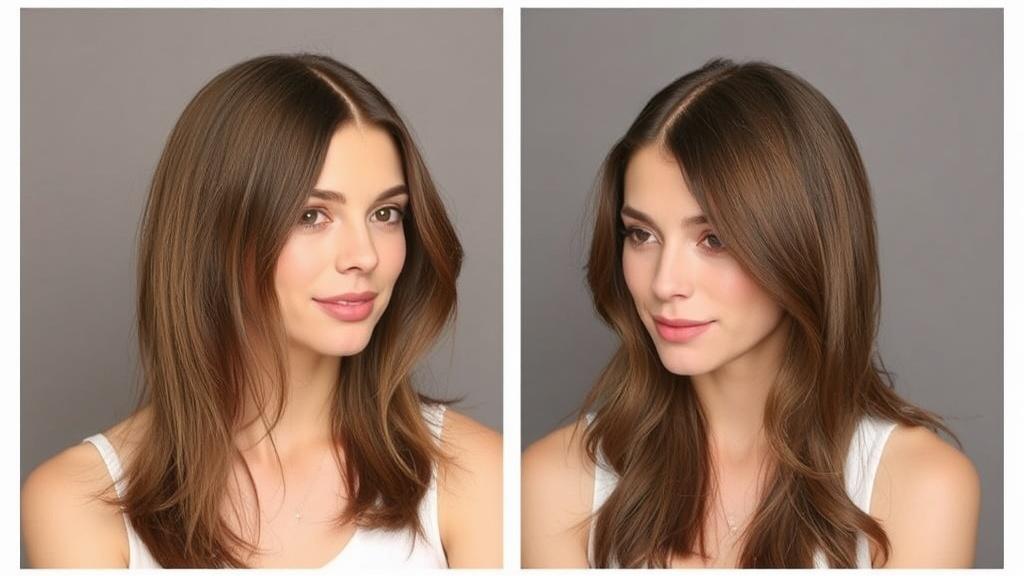
Investing in the right tools doesn’t have to be daunting or expensive. A few well-chosen items can dramatically improve how fine hair behaves. Start with a vent brush for drying, a wide-tooth comb for detangling, and a quality heat-protectant spray. If you’re opting for hot tools, a ceramic barrel and a temperature control that tops out around 350°F (175°C) gives you plenty of versatility without pushing heat to extremes.
Another often-overlooked piece is a microfiber towel. It cuts drying time and minimizes friction compared with a regular cotton towel, which reduces frizz and breakage. And don’t forget the finishing touches: a lightweight serum for the ends and a flexible-hold spray to lock in style without cramping movement.
Routine building for different hair types
No two heads of fine hair are exactly alike, so I like to propose a simple framework you can customize. Start by auditing your scalp’s needs—oily, dry, or balanced—and choosing a cleanser that aligns with that. Then decide on a lightweight conditioner for mid-lengths and ends, and reserve heavier products for the very tips if they catch on dry or split ends.
For those with very fine, straight hair aiming for volume, think in terms of daily lift at the crown, a quick brush-through to refresh the shape, and a final mist of flexible hold. For those with a bit more texture, you can lean into a light texturizing spray to build natural movement, then refine with a soft brush to keep the overall silhouette intact.
Remember: the goal is consistency. If you start your routine with a few reliable steps, you’ll be surprised how quickly your hair learns to cooperate. You’ll stop chasing after a perfect look and start owning a look that stays put with a fraction of the effort.
Real-life stories from the chair
Over the years, I’ve seen countless mornings saved by tiny shifts in approach. One client with ultra-fine hair and a daily struggle with limp roots switched from a heavy cream to a lightweight foam and altered her drying technique. The result wasn’t just more volume; it was a day where she felt in control of her style, not hostage to it.
Another client loved the look of beachy waves but feared the weight of salt sprays. We experimented with a minimal product routine and a heat-free technique that used a curling iron on a few select sections only. The waves stayed soft, and the overall texture looked intentional rather than overworked. The key was restraint—knowing which parts of the hair needed product and which could be left alone.
Practical tips and quick-start checklist
- Test one change at a time. If you switch three things at once, you won’t know which move made the difference.
- Opt for products labeled “lightweight” or “for fine hair” and avoid heavy oils and butters on the roots.
- When in doubt, air-dry part of the way and finish with a quick round under a dryer to set shape without overexposure to heat.
- Use a sulfate-free cleanser if your scalp is sensitive or prone to dryness.
- Switch to silk or satin pillowcases to reduce friction and preserve volume overnight.
All of these steps contribute to a more flexible styling routine that respects the delicate nature of fine hair. The aim isn’t perfection in the mirror but a hair day that looks as good at 6 p.m. as it did at 8 a.m.—and feels comfortable, too.
As you experiment, you’ll notice small wins cascading into bigger confidence. A lift at the crown that holds through a windy commute, a texture that remains split-second perfect after a workout, or simply a brush-through that leaves you feeling like you’ve got a little extra body. The journey is incremental, but the payoff—confidence, ease, and hair that behaves—makes it worthwhile.
In case you’re wondering about the broader picture, the goal behind Die häufigsten Stylingfehler bei feinem Haar isn’t to chase a perfectly glossy image. It’s about understanding your hair’s real rhythm and giving it a routine that respects its limits while maximizing its strengths. With patience, and a few thoughtful tweaks, you’ll find a balance that feels authentic and sustainable for daily life.
So start with one tweak this week: perhaps a lighter conditioner on mid-lengths, or a careful root lift with a flexible-hold spray. Keep track of how your hair responds and adjust gradually. Before you know it, the routine will feel less like a chore and more like a reliable ally in your everyday look.
If you try something and it works—share the small victory with yourself. Hard-won routine gains are the best kind of styling win: they’re repeatable, they age well, and they free you to experiment with texture, color, and cut rather than fighting gravity every morning.
Whether your goal is everyday polish or weekend volume, the path to better styling for fine hair is paved with restraint, smart product choices, and a willingness to learn what your own hair wants. Keep experimenting, stay curious, and you’ll find that the most common mistakes aren’t failures at all—they’re opportunities to discover a look that’s uniquely yours.